How Trade Events Create Better Buyer and Supplier Conversations
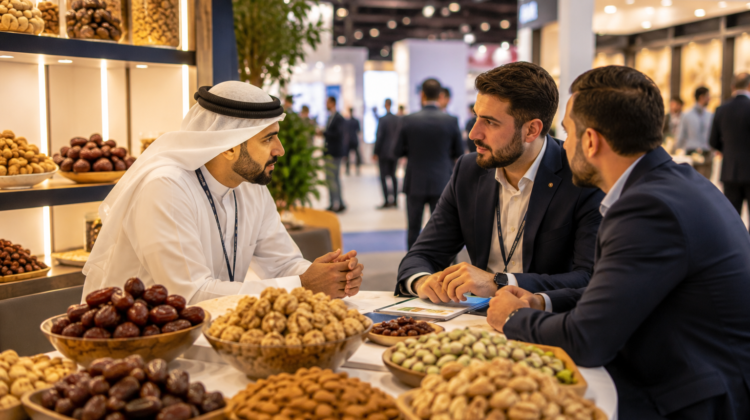
Trade events bring buyers, suppliers and industry professionals into the same commercial environment. They create opportunities to view products, ask practical questions and begin conversations that may take much longer through email or messaging.
For food buyers, an exhibition or professional meeting offers more than product discovery. It can help them compare product formats, explain intended applications, discuss packing expectations and understand what information a supplier needs before preparing a relevant commercial response.
Similarly, suppliers can use trade events to understand buyer priorities, present products clearly and develop stronger professional relationships.
At Maahir International, we view trade events as valuable spaces for focused buyer and supplier conversations. Their value does not depend only on visitor numbers or the size of a product display. Instead, the strongest results come from relevant discussions, accurate information and clear follow-up.
Why Trade Events Matter in Food Business
International food trade involves several connected decisions.
A buyer may need to understand:
- Product category
- Grade or size
- Product format
- Intended commercial use
- Approximate order volume
- Packing requirements
- Destination market
- Expected purchasing timeline
A product catalogue may provide photographs and basic descriptions. However, it may not answer every commercial question.
Therefore, trade events give buyers and suppliers an opportunity to discuss these details directly.
As a result, a general product inquiry can become a clearer and more useful buying brief.
Face-to-Face Meetings Provide Better Context
Email, telephone calls and online meetings remain important parts of international business. However, written communication can sometimes leave important details unclear.
For example, a buyer may request almonds without explaining whether the product is intended for retail, wholesale distribution, bakery production or food manufacturing.
During an event meeting, the supplier can ask immediate follow-up questions:
- Which almond format does the buyer require?
- What is the intended application?
- What approximate volume is under consideration?
- Does the buyer require standard bulk packing?
- Is custom packaging part of the requirement?
- Which market or port will receive the product?
- When does the buyer expect to proceed?
These questions provide useful commercial context.
Consequently, both parties can identify what information they already have and which details still require clarification.
Product Displays Encourage Better Questions
Food-trade exhibitions often include organised product displays or sampling areas.
When buyers can see different categories and formats, they may understand product differences more clearly.
For example, displaying in-shell walnuts beside walnut kernels immediately shows that both products belong to the same category but represent different commercial requirements.
Similarly, comparing date varieties can support discussions about:
- Size
- Texture
- Sweetness
- Moisture
- Appearance
- Intended use
- Packing format
A useful product display can help buyers ask more focused questions.
However, buyers should not treat a display as a replacement for product specifications, documentation or commercial checks. Instead, the display should guide the next stage of the conversation.
A productive trade-event meeting connects the product on display with the buyer’s market, intended use and commercial requirement.
Events Help Buyers Compare Product Formats
A general product category may include several formats.
Therefore, buyers should use event meetings to understand which format may suit their business.
Walnuts
Walnut discussions may include:
- In-shell walnuts
- Walnut kernels
- Different kernel sizes
- Different colour expectations
- Retail applications
- Bakery or ingredient use
A buyer seeking walnut kernels for food manufacturing may have different priorities from a distributor purchasing in-shell walnuts.
Dates
Date discussions may include:
- Whole dates
- Pitted dates
- Different varieties
- Different size ranges
- Soft or firm textures
- Retail, hospitality or processing use
For example, dates intended for gifting may require different presentation standards from dates required for processing.
Almonds
Almond formats may include:
- Whole almonds
- Blanched almonds
- Sliced almonds
- Chopped almonds
- Processed formats
- Retail or manufacturing use
The buyer should explain how the business plans to use the almonds before discussing the most relevant format.
Pistachios
Pistachio discussions may cover:
- In-shell pistachios
- Pistachio kernels
- Size expectations
- Appearance
- Retail use
- Hospitality or ingredient applications
By comparing different formats, buyers can create a more accurate requirement.
Intended Use Shapes the Product Conversation
The intended use of a product influences several commercial decisions.
Common applications may include:
- Wholesale distribution
- Retail packing
- Food manufacturing
- Bakery production
- Hospitality
- Gifting
- Repacking
- Ingredient supply
For example, a buyer sourcing almonds for bakery production may focus on processing suitability and format. In contrast, a retail buyer may place more importance on appearance, consistency and presentation.
Similarly, a hospitality buyer may require different pack sizes from a wholesale distributor.
Therefore, buyers should explain the intended use during the event conversation.
This information helps the supplier understand which questions to ask and which product formats may deserve further discussion.
What Buyers Gain from Trade Events
Trade events can support food buyers in several practical ways.
Seeing Products in Person
Photographs provide useful information, but viewing products directly may help buyers compare appearance, size and format more effectively.
Asking Questions Immediately
Buyers can discuss product specifications, packing, intended use and approximate volumes without waiting through several rounds of messages.
Comparing Product Categories
An event may allow buyers to view multiple products or formats within the same meeting.
Explaining Market Requirements
Buyers can describe their customers, intended applications, destination markets and operational expectations.
Understanding the Next Commercial Step
A structured meeting can help buyers understand what information the supplier needs before moving toward specification confirmation or quotation discussions.
However, an event meeting does not replace commercial verification. Both parties still need to confirm specifications, quantities, pricing, documentation and other relevant details after the event.
What Suppliers Gain from Trade Events
Suppliers also gain valuable information from direct buyer conversations.
They may learn that buyers place importance on:
- Specific product formats
- Appropriate pack sizes
- Product consistency
- Clear communication
- Destination coordination
- Documentation
- Repeat-supply potential
- Accurate follow-up
Furthermore, buyers may raise questions that reveal gaps in product descriptions or sales materials.
Suppliers can use this feedback to improve:
- Product presentations
- Website information
- Specification discussions
- Buyer qualification
- Event preparation
- Follow-up communication
Nevertheless, suppliers should avoid making unverified promises during the meeting. They should confirm availability, commercial terms and operational details through the correct process.
Preparing for a Buyer and Supplier Meeting
Preparation improves the quality of an event conversation.
Buyer Preparation
Before attending an event, a buyer should prepare a short commercial requirement.
It may include:
- Product category
- Preferred format
- Intended use
- Approximate quantity
- Packing preference
- Destination market or port
- Expected purchasing timeline
The buyer may not know every detail. However, identifying open questions can also support the meeting.
For example:
We require pistachios for retail distribution, but we need guidance regarding suitable sizes and packing options.
This inquiry gives the supplier more useful context than a simple request for a price.
Supplier Preparation
Suppliers should prepare:
- Organised product displays
- Clear product names
- Relevant format information
- Basic packing information
- Buyer-qualification questions
- Contact details
- A defined follow-up process
- Team members who understand the products
A professional event setup should make it easy for buyers to understand what is available for discussion.
Questions Buyers Should Ask at Trade Events
Buyers can gain more value from an event by asking specific commercial questions.
Which Product Format Matches My Intended Use?
This question connects product selection with the buyer’s commercial application.
Which Details Do You Need for a Quotation?
The supplier may require information about quantity, product format, packing, destination and timing.
Are Different Grades or Sizes Available?
Buyers should understand whether the same category includes several commercial options.
What Packing Options Can We Discuss?
The conversation may include standard bulk packaging, specific pack sizes or custom-packing requirements.
What Is the Next Step After the Event?
The buyer should understand whether the next stage involves requirement clarification, specification confirmation, quotation discussion or a further meeting.
Who Will Handle the Follow-Up?
A clear contact person helps keep the discussion organised after the event.
Buyer Qualification Improves Event Conversations
Not every event visitor has the same purchasing intention.
Some visitors may only be exploring a category. Others may have an active requirement. In addition, some buyers may be planning a future or recurring purchase.
Therefore, suppliers should qualify each inquiry respectfully.
Useful questions include:
- Which product does the buyer need?
- How will the buyer use the product?
- What approximate quantity applies?
- Which destination is involved?
- What timing does the buyer expect?
- Is the requirement immediate, planned or exploratory?
- Does the buyer need standard or custom packing?
These questions help the supplier understand the scope of the inquiry.
At the same time, they help the buyer recognise which details need further internal clarification.
Product Tastings Can Strengthen Event Meetings
Product tasting may also support a trade-event conversation.
A tasting can help buyers compare:
- Taste
- Texture
- Appearance
- Size
- Moisture
- Product format
- Application suitability
However, the discussion should not end with personal taste preference.
Commercial suitability also depends on:
- Product specification
- Approximate volume
- Packing requirements
- Intended market
- Destination
- Expected timing
Therefore, a professional tasting should connect the product experience with the buyer’s commercial requirement.
Trade Events Can Support Market Learning
Events also allow participants to observe wider industry discussions.
Buyers may discover:
- Different product formats
- Alternative packing approaches
- New commercial applications
- Category-presentation methods
- Common specification questions
- Supplier communication styles
Meanwhile, suppliers may identify:
- Common buyer concerns
- Market expectations
- Frequently requested formats
- Information gaps
- Packing preferences
- Areas where communication needs improvement
These observations can support future planning.
However, businesses should distinguish between general event feedback and verified market data. A few conversations should not automatically become a broad market conclusion.
Follow-Up Creates the Real Event Value
A useful event conversation can lose value when the follow-up is slow, generic or incomplete.
After the meeting, both parties should record the important details.
A professional follow-up may include:
- Product category
- Discussed format
- Intended use
- Approximate quantity
- Packing preference
- Destination
- Information requested
- Agreed next action
For example:
Thank you for discussing your walnut-kernel requirement for wholesale distribution. The next step is to confirm your preferred size, approximate quantity, packing basis and destination.
This message keeps the commercial conversation connected.
In contrast, a general thank-you message may not help either party move forward.
Common Event Follow-Up Mistakes
Businesses should avoid several common mistakes after trade events.
Sending the Same Message to Every Contact
Each follow-up should reflect the actual event discussion.
Waiting Too Long
A delayed response may weaken the connection established during the meeting.
Forgetting Important Details
The supplier should record the product, intended use, approximate volume and next action.
Making Unconfirmed Promises
The business should verify availability, price, timing and packing details before confirming them.
Treating Every Contact as an Immediate Buyer
Some contacts may need additional information or future follow-up rather than an immediate quotation.
Events Can Support Long-Term Relationships
Not every trade-event meeting leads to an immediate commercial order.
Some conversations begin a longer relationship. A buyer may need time to:
- Compare product formats
- Review internal requirements
- Discuss packing needs
- Confirm volumes
- Prepare a purchasing plan
- Obtain internal approval
Therefore, businesses should not measure every event conversation only through immediate transactions.
Other valuable outcomes may include:
- A qualified business contact
- A clearer product requirement
- A scheduled follow-up meeting
- A request for product details
- A future sourcing opportunity
- Better understanding of buyer needs
Professional communication can help these early discussions develop into stronger relationships.
Responsible Event Communication
Website event content must remain accurate.
When Maahir International confirms participation in an event, the article should clearly provide:
- Confirmed event name
- Date
- Venue
- City or country
- Attendance status
- Product focus
- Meeting instructions
- Contact details
When details remain under discussion, the website should use clear wording such as:
- Date to be announced
- Venue confirmation pending
- Participation details will follow
- Meeting information coming soon
This approach prevents visitors from relying on incomplete or incorrect information.
Maahir International’s Approach to Event Conversations
Maahir International aims to use trade events and buyer meetings as structured communication opportunities.
During these conversations, the focus should remain on understanding:
- The required product
- The intended application
- The relevant product format
- The approximate order volume
- The packing preference
- The destination market
- The expected timeline
Together, these details create a stronger foundation for the next commercial stage.
The objective is not to make broad claims or immediate promises. Instead, the goal is to understand the buyer’s requirement and establish a clear next step.
Prepare for Your Next Food-Trade Event
Before attending an exhibition, buyer meeting or product-tasting session, prepare a short commercial brief.
Include:
- Products of interest
- Intended use
- Approximate quantity
- Preferred format
- Known grade or size requirements
- Packing expectations
- Destination
- Buying timeline
During the event, record the name of the person you met and the next agreed action.
Finally, follow up while the discussion remains clear and relevant.
Start a Buyer Conversation
Trade events can create better food-business connections when buyers and suppliers move beyond general introductions and discuss practical commercial requirements.
Businesses interested in walnuts, dates, pistachios, almonds, dry figs or selected food ingredients can begin by sharing a clear requirement with Maahir International.
Include the product, intended use, approximate quantity, preferred format, packing expectations, destination and expected timing.