Product Tastings and Buyer Conversations at Maahir International
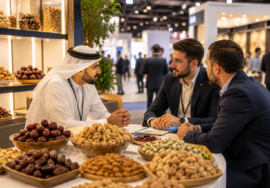
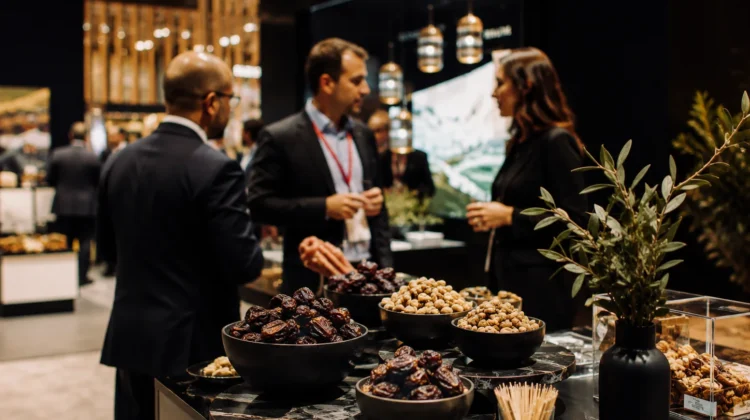
Product tastings can make food-trade conversations more practical. A specification sheet may explain grade, size and format, but buyers often benefit from seeing the product, discussing its intended use and asking questions within the same conversation.
At Maahir International, product tasting sessions can support clearer discussions around nuts, dates, dry fruits and selected food ingredients. These sessions are not only about flavour. Instead, they can help buyers explore product characteristics, application needs, commercial expectations and the information required before a sourcing discussion moves forward.
Why Product Tastings Matter in B2B Food Trade
In wholesale food trade, buyers usually consider more than appearance or taste. They may also need to understand product format, size, texture, intended application, packing context and suitability for a particular market.
Therefore, a useful product tasting should create space for both product experience and commercial discussion.
A tasting conversation may help buyers examine:
- Product appearance and presentation
- Texture and taste characteristics
- Size and format differences
- Intended commercial application
- Packing expectations
- Approximate order requirements
- Destination-market context
Together, these points can turn a general product interest into a clearer buying brief.
Moving Beyond a Simple Sampling Session
A basic tasting allows someone to try a product. However, a professional B2B tasting should go further.
The discussion should connect the product experience with the buyer’s actual requirement. For example, a buyer may like a particular date variety, but the commercial conversation still needs to cover format, volume, packaging and intended use.
Similarly, almonds intended for retail display may involve different expectations from almonds required for food manufacturing or wholesale distribution.
For this reason, the tasting should help answer questions such as:
- Which product format best suits the buyer?
- Does the buyer need whole, shelled or processed products?
- What size or grade expectations apply?
- How will the buyer use or distribute the product?
- What packing format may be required?
- What approximate order volume is under consideration?
As a result, buyers can leave the tasting with more than a general product impression.
Product Categories That Can Support Tasting Conversations
Different categories create different tasting and evaluation discussions.
Dates
Date varieties can differ in sweetness, texture, size, moisture and intended use. A buyer may require dates for direct consumption, retail packs, hospitality, gifting or further processing.
During a tasting conversation, the buyer can discuss:
- Preferred texture
- Sweetness level
- Size expectations
- Whole or pitted format
- Intended market
- Packing preferences
Walnuts
Walnut discussions may involve in-shell products, kernels, size ranges, colour, intended use and packing context.
A buyer may evaluate walnuts for wholesale distribution, retail packing, food production or bakery applications. Therefore, the product name alone may not provide enough information.
Pistachios
Pistachios may involve in-shell or kernel formats, size expectations and different commercial applications.
In addition, buyers may want to discuss whether the product is intended for direct consumption, retail packaging, hospitality or ingredient use.
Almonds
Almond tasting conversations can explore texture, size, format and intended application.
For example, a buyer may require whole almonds for retail, sliced or processed almonds for food production, or bulk almonds for distribution.
Dry Figs and Other Dry Fruits
Dry figs and other dried fruits can differ in size, texture, appearance, moisture and application.
Consequently, buyers should connect the tasting experience with their commercial use and market expectations.
The Buyer’s Questions Shape the Conversation
A productive tasting session depends on the questions buyers bring to the table.
First, the buyer should explain the product category and intended use. Next, the conversation can move toward grade, format, approximate volume and destination.
Useful buyer questions may include:
- Which product formats are available for discussion?
- What information is needed to identify the right specification?
- Can different sizes or grades be considered?
- What packing formats may suit the order?
- Does the destination market create any additional requirements?
- What details should the buyer provide for a quotation?
These questions help create a more focused commercial discussion.
From Product Experience to Commercial Requirement
A buyer may enjoy the product during a tasting, but commercial suitability requires additional clarity.
The next stage should connect the tasting with a practical requirement. This may include:
- Product category
- Preferred format
- Grade or size expectations
- Intended use
- Approximate order quantity
- Packing preference
- Destination market
- Required timing
Once the buyer shares these details, the conversation can move from product interest toward a more structured commercial brief.
A useful tasting does not end with “Which product tastes best?” It continues with “Which product best fits the buyer’s market, application and commercial requirement?”
How Product Tastings Support Buyer Confidence
Product tastings can help buyers ask more informed questions.
For instance, buyers may recognise differences between formats that were not clear from photographs or product names. They may also identify which characteristics matter most for their customers or business operations.
Moreover, face-to-face or guided tasting conversations can improve communication between buyers and trade partners.
This does not replace specifications, documentation or commercial checks. Instead, it adds practical product understanding to the wider sourcing discussion.
Preparing for a Product Tasting or Buyer Session
Buyers can prepare for a tasting by bringing basic commercial information.
A useful starting brief may include:
- Product categories of interest
- Intended use
- Approximate order quantity
- Preferred format
- Known grade or size expectations
- Packing preference
- Destination country or port
- Expected buying timeline
However, the brief does not need to be perfect. Buyers can also identify areas where they need guidance.
For example, a buyer may know the category and destination but remain unsure about the exact format or pack size. The tasting conversation can help clarify those points.
Product Tastings as Part of Trade Events
Product tastings may take place during exhibitions, buyer meetings, category showcases or dedicated business sessions.
When Maahir International confirms a future tasting or event, the News & Events page can provide:
- Confirmed event date
- Venue or meeting location
- Product categories in focus
- Intended audience
- Registration or meeting information
- Event contact details
- Post-event summary
Until those details are confirmed, the event information should remain clearly marked as upcoming or to be announced.
This approach keeps event communication accurate and prevents visitors from relying on unconfirmed information.
What Happens After the Tasting?
After a tasting or buyer session, the next conversation should focus on the commercial requirement.
The buyer may share or confirm:
- Selected category
- Required format
- Approximate quantity
- Packing context
- Destination
- Expected timing
Maahir International can then use this information to structure a clearer product and trade discussion.
If some details remain open, the team can identify the next questions that need clarification.
Building Better Buyer Conversations
Product tastings can support stronger food-trade relationships when they combine product experience with commercial understanding.
They allow buyers to explore product differences, explain intended use and ask practical questions before moving toward a quotation or sourcing brief.
Finally, the value of a tasting lies not only in the products on the table. It also comes from the quality of the conversation around them.
Discuss a Product Category with Maahir International
Are you interested in walnuts, dates, pistachios, almonds, dry figs or another food category?
Share the product, intended use, approximate quantity, packing preference and destination. The Maahir International team can help structure the next buyer conversation.